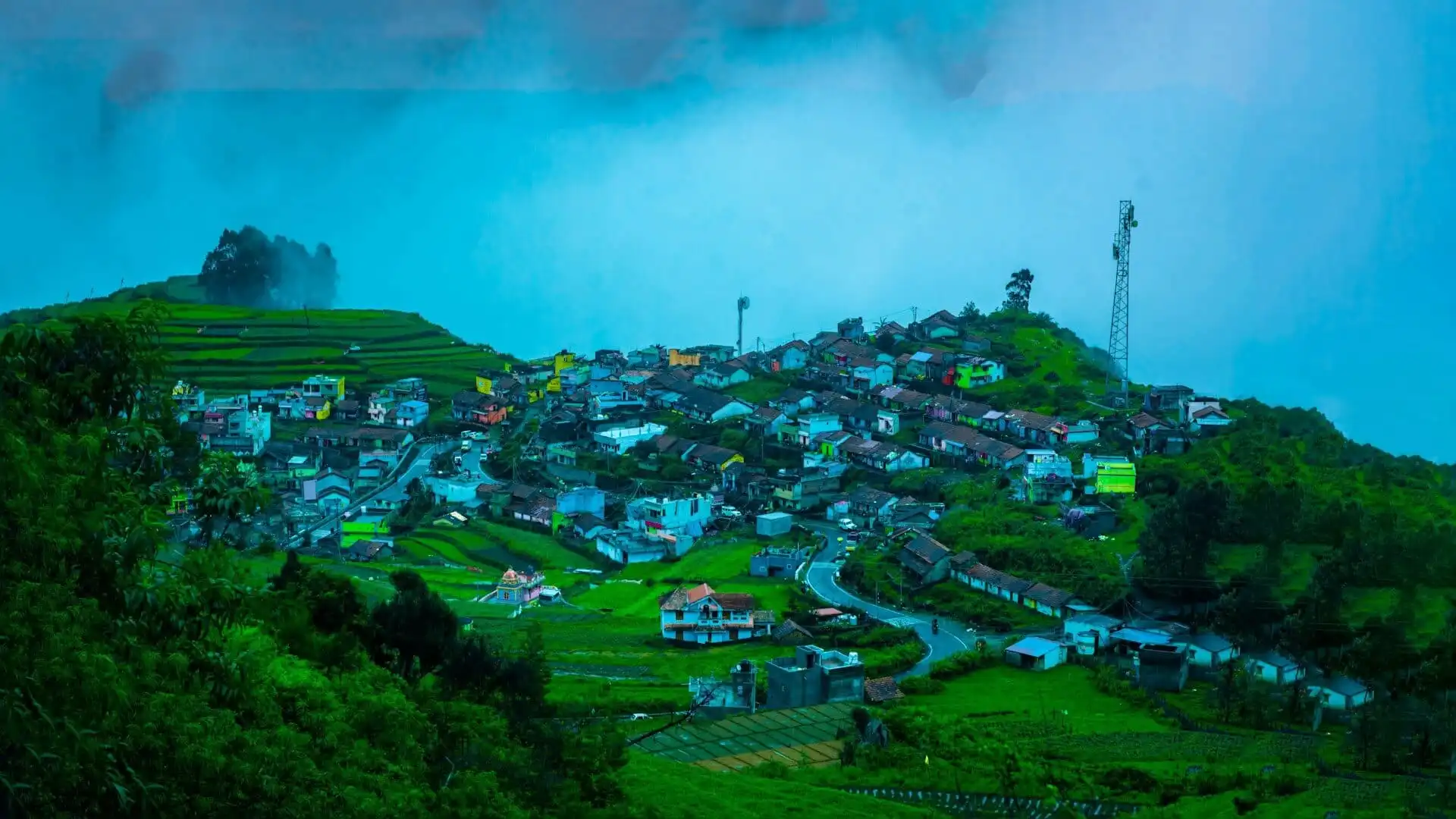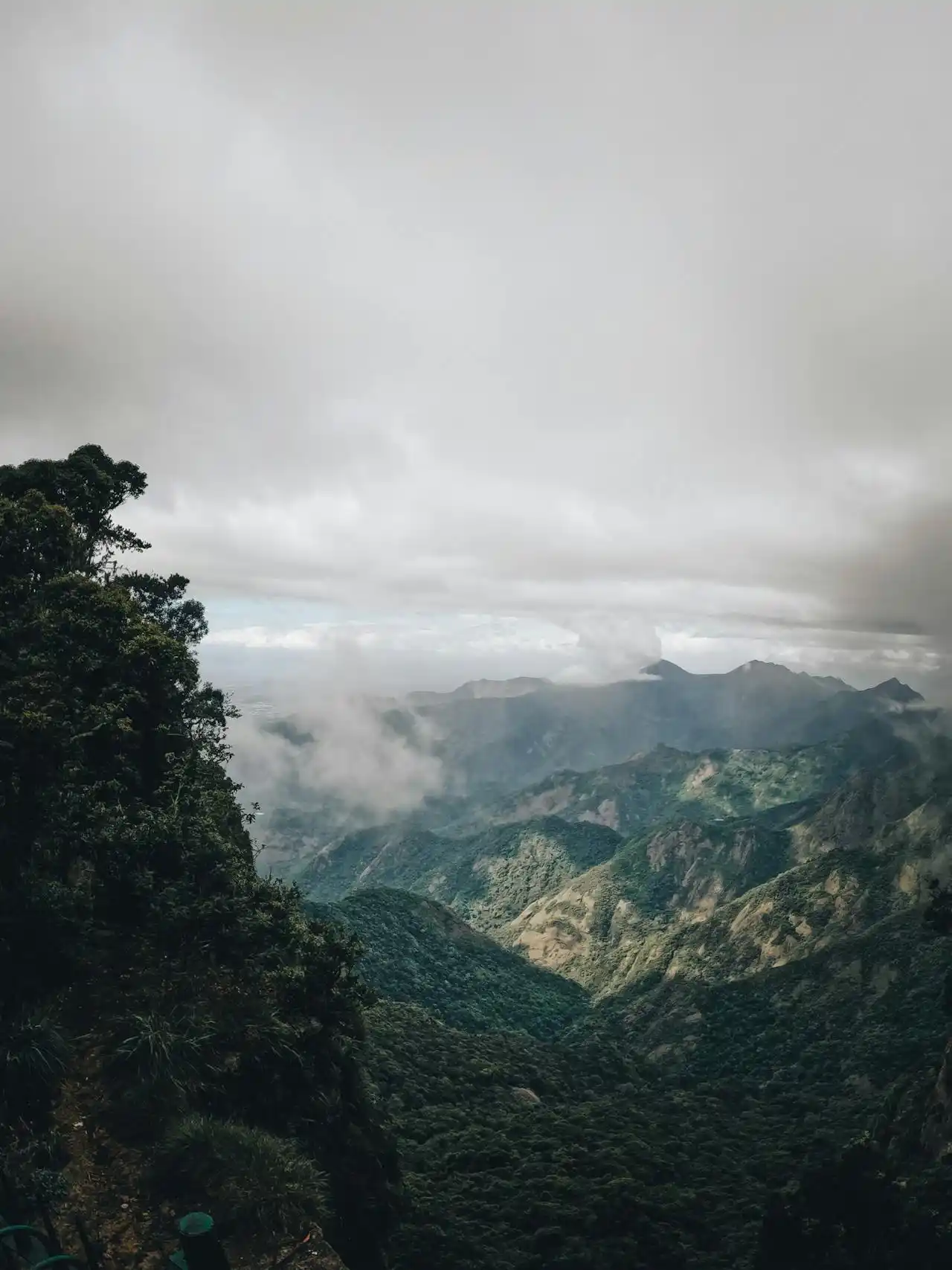
Kodaikanal isn't just about breathtaking landscapes and misty mountains – it's also a paradise for food lovers. The unique climate and cultural influences have created a distinctive culinary scene that combines traditional Tamil flavors with colonial influences. From homemade chocolates to farm-fresh produce, Kodaikanal offers a variety of gastronomic delights that are worth exploring. In this guide, we'll take you through eight must-try local delicacies that will make your Kodaikanal trip even more memorable.
1. Kodaikanal Homemade Chocolates
No visit to Kodaikanal is complete without indulging in its famous homemade chocolates. The tradition of chocolate-making in this hill station dates back to the colonial era when European settlers introduced the craft.
 Freshly made artisanal chocolates from a local Kodaikanal shop
Today, several small-scale chocolate makers and family-run shops along the Lake Road and PT Road offer a wide variety of handcrafted chocolates. From classic dark and milk chocolates to innovative flavors like eucalyptus, cinnamon, and coffee, these treats are made using traditional methods with high-quality cocoa.
Where to Try: Pot Luck Chocolates, Danish Display, and Cloud Street are some of the most popular chocolate shops in Kodaikanal. Our jeep safari tours often include stops at these artisanal chocolate makers.
2. Avocado Toast and Fruit Salads
Kodaikanal's fertile soil and temperate climate make it ideal for growing avocados and various fruits. The hill station is known for its exceptionally creamy and flavorful avocados, which have become a local specialty.
 Fresh avocado toast served at a café in Kodaikanal
Many cafés in Kodaikanal serve delicious avocado toast topped with locally grown herbs and spices. Fruit salads featuring seasonal produce like plums, peaches, and strawberries are also popular breakfast options for both locals and tourists.
Best Season: Avocados are at their peak from July to September, while various fruits are available throughout the year depending on the season.
3. Poombarai Village Garlic
The village of Poombarai, located about 18 kilometers from Kodaikanal town, is famous for its elephant garlic cultivation. This special variety of garlic is known for its large size, distinctive purple-tinged skin, and milder, sweeter flavor compared to regular garlic.
 Fresh Poombarai garlic sold at a local market
Local restaurants incorporate this special garlic into various dishes, creating unique flavors that you won't find elsewhere. The garlic is also used in traditional medicinal preparations due to its enhanced health benefits.
Local Tip: Visit the Poombarai village market to purchase fresh garlic directly from farmers. It makes for an excellent souvenir to take home, as it can be stored for several months.
4. Kodai Mushroom Dishes
The damp, cool climate of Kodaikanal creates the perfect environment for mushroom cultivation. The hill station is known for its oyster and button mushrooms, which are grown locally and feature prominently in the regional cuisine.
 A delicious mushroom curry prepared with locally grown Kodai mushrooms
From mushroom manchurian to mushroom curry and mushroom soup, these fungi are prepared in various styles that blend local Tamil flavors with international cooking techniques. The earthy, umami flavor of fresh Kodai mushrooms makes these dishes particularly special.
Where to Try: Altaf's Cafe, Tava Restaurant, and Cloud Street offer excellent mushroom-based dishes that showcase the quality of local produce.
5. Kodaikanal's Famous Filter Coffee
The hills surrounding Kodaikanal are home to numerous coffee plantations that produce some of South India's finest Arabica and Robusta beans. The region's high altitude, cool climate, and rich soil create ideal conditions for growing coffee with distinctive flavor profiles.
 Traditional South Indian filter coffee served in a brass tumbler and davara
Filter coffee, a South Indian specialty, is prepared using a traditional metal filter consisting of two cylindrical cups. The coffee decoction is mixed with hot milk and sugar, then "pulled" between cups to create a frothy, aromatic beverage that's served in a traditional brass tumbler and davara (saucer).
What makes Kodaikanal's filter coffee special is the freshness of the beans, which are often roasted and ground just before brewing. The cool mountain air seems to enhance the coffee's aroma, creating a sensory experience that coffee enthusiasts travel miles to enjoy.
Where to Try: Tamil Nadu Restaurants, Astoria Veg, and Muncheez Cafe serve authentic filter coffee. For a unique experience, visit Silver Oak Estate, a working coffee plantation that offers tours and tastings of their single-origin coffee.
Local Tip: Purchase freshly ground coffee beans from the Kodaikanal Market to take home. Local vendors can customize the roast level and grind size according to your preference.
6. Kodai Cheese and Dairy Products
Kodaikanal has a long-standing tradition of artisanal cheese-making that dates back to the early 20th century when European missionaries established dairy farms in the region. Today, this legacy continues with small-scale producers creating high-quality cheeses and dairy products using milk from cows that graze on the nutrient-rich mountain grass.
 Locally produced artisanal cheese varieties from Kodaikanal
The Kodaikanal Cheese Factory, established in 1977, produces a variety of cheeses including Gouda, Colby, Monterey Jack, and their signature herb-infused varieties. The cool climate of Kodaikanal provides natural refrigeration that's ideal for cheese aging, resulting in complex flavors that can't be replicated elsewhere.
Beyond cheese, Kodaikanal is also known for its fresh butter, cream, and ghee (clarified butter), which are prized for their rich flavor and golden color derived from the grass-fed cows' milk.
Where to Try: Visit the Kodaikanal Cheese Factory outlet on PT Road to sample and purchase various cheese varieties. Many local bakeries and cafes also incorporate these local dairy products in their dishes.
7. Hill Banana and Banana Products
The Virupakshi banana, locally known as the "Hill Banana," is a unique variety that's indigenous to the Palani Hills region where Kodaikanal is located. Unlike the common yellow bananas found throughout India, the Hill Banana is smaller, has a distinctive pale yellow to ivory color, and offers a subtly sweet flavor with notes of vanilla.
 The unique Hill Bananas (Virupakshi) native to the Kodaikanal region
This special banana variety has received the Geographical Indication (GI) tag, recognizing its unique characteristics that are directly linked to the specific geographical region. The Hill Banana is not just eaten fresh but is also transformed into various products including chips, flour, jams, and even used in traditional Tamil desserts.
One popular local treat is the Hill Banana fritter, where slices of this special fruit are dipped in a cardamom-spiced batter and fried to golden perfection. These fritters are often sold by street vendors near Kodaikanal Lake and make for a perfect snack while exploring the town.
Where to Try: The Kodaikanal Weekly Market (held on Mondays and Fridays) is the best place to purchase fresh Hill Bananas and banana-based products directly from local farmers. For banana fritters, look for small food stalls near Bryant Park and the Lake area.
8. Traditional Tamil Nadu Meals
No culinary exploration of Kodaikanal would be complete without experiencing a traditional Tamil Nadu meal served on a banana leaf. This authentic dining experience offers a symphony of flavors, textures, and aromas that showcase the rich culinary heritage of the region.
 A traditional Tamil Nadu meal served on a banana leaf
A typical Tamil meal consists of steamed rice as the base, accompanied by various vegetable preparations (poriyal, kootu), lentil dishes (sambar, rasam), yogurt (curd), pickles, and pappadam (crispy lentil wafer). The meal follows a specific serving order and eating protocol that enhances the dining experience.
What makes Kodaikanal's Tamil meals special is the incorporation of locally grown produce, including vegetables from the surrounding hills, fresh dairy products, and unique spice blends. The cooler climate influences the preparation methods, resulting in heartier versions of traditional Tamil dishes that are perfect for the mountain weather.
Where to Try: Astoria Veg, Tava Restaurant, and Tamil Nadu Restaurants offer authentic Tamil meals. For a more upscale experience with traditional flavors, try The Carlton or Altaf's Cafe, which offer refined versions of Tamil classics.
Seasonal Food Specialties in Kodaikanal
Kodaikanal's food scene changes with the seasons, offering visitors different culinary experiences throughout the year:
- Spring (March-May): Fresh strawberries, plums, and peaches are abundant. This is also when the first flush of coffee cherries is harvested, making it an excellent time for coffee enthusiasts.
- Summer (June-August): Avocado season is in full swing, along with passion fruit and hill bananas. Summer also brings an abundance of fresh herbs and vegetables from local farms.
- Monsoon (September-November): This is mushroom season, when the forests and farms produce a variety of edible fungi. The damp weather also makes it perfect for enjoying hot soups and fried snacks.
- Winter (December-February): Root vegetables, carrots, and exotic greens thrive in the winter months. This is also when you'll find the best homemade chocolates, as the cool weather is ideal for chocolate-making.
Food Souvenirs to Take Home
Extend your Kodaikanal culinary experience by taking home some of these local food specialties:
- Homemade chocolates: Available in beautiful gift boxes, these have a shelf life of several weeks.
- Poombarai garlic: This special variety can be stored for months and makes an excellent addition to your kitchen.
- Coffee beans: Freshly roasted and ground coffee from local estates makes for an aromatic reminder of your Kodaikanal trip.
- Artisanal cheese: Vacuum-packed cheese from the Kodaikanal Cheese Factory can last for weeks when refrigerated.
- Homemade jams and preserves: Made from seasonal fruits like strawberries, plums, and passion fruit, these preserves capture the essence of Kodaikanal's fresh produce.
- Spice blends: Local markets sell unique spice mixtures that incorporate regional flavors and are perfect for recreating Tamil dishes at home.
Culinary Experiences in Kodaikanal
Beyond just tasting the local delicacies, consider these immersive food experiences during your visit:
- Cooking classes: Several guesthouses and restaurants offer cooking demonstrations where you can learn to prepare traditional Tamil dishes using local ingredients.
- Farm visits: Arrange a tour of local farms to see how Kodaikanal's famous produce is grown. Some farms offer pick-your-own experiences during fruit seasons.
- Market tours: Explore the Kodaikanal Market with a knowledgeable guide who can help you identify unique local ingredients and explain their uses in regional cuisine.
- Coffee estate tours: Visit a working coffee plantation to learn about the bean-to-cup process and participate in coffee tasting sessions.
At Kodai Jeep Safari, we can arrange customized food tours that incorporate these experiences into your Kodaikanal itinerary. Our local guides know the best places to sample authentic flavors and can introduce you to small, family-run establishments that tourists rarely discover on their own.
Conclusion: A Feast for the Senses
Kodaikanal's culinary landscape is as diverse and enchanting as its natural scenery. From colonial-influenced treats like homemade chocolates to indigenous specialties like Hill Bananas, the food of this hill station tells the story of its unique cultural heritage and natural bounty.
When planning your Kodaikanal trip, be sure to leave ample time for culinary exploration. The flavors of this hill station will not only satisfy your hunger but also deepen your connection to the land, its people, and their traditions.
Contact us to include these gastronomic delights in your Kodaikanal tour package, and let your taste buds join the adventure in the Princess of Hill Stations!